c wyo's pick · Updated August 2026
AstroAI Digital Multimeter
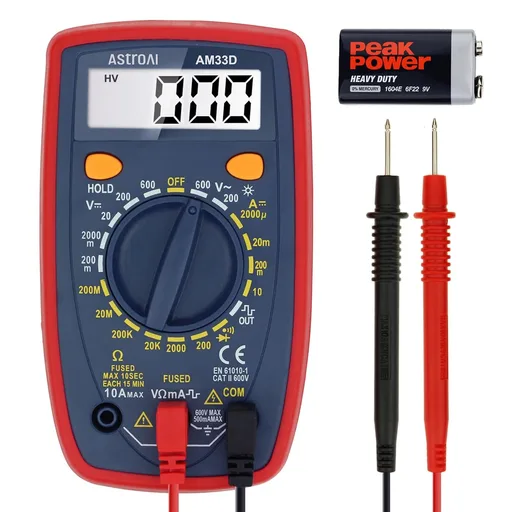
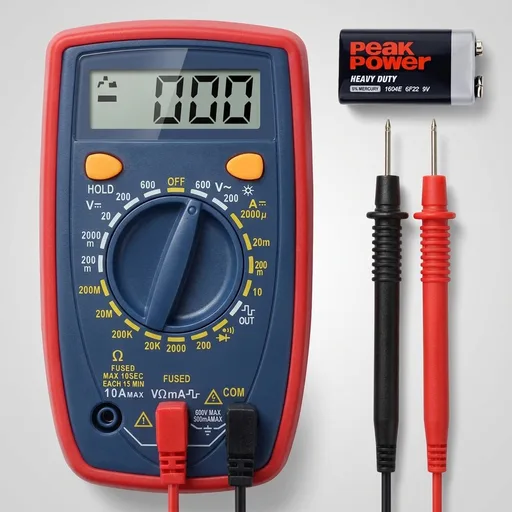
An affordable digital multimeter like this may suit a homeowner, hobbyist, or student who needs a basic tool for checking common electrical values without paying for a bench-style instrument. It is the kind of meter that fits simple troubleshooting jobs, light maintenance, battery checks, and introductory electronics work, where clarity and ease of use matter more than advanced features.
The main draw is straightforward coverage. The listing says it measures voltage, current, resistance, continuity, and diode functions, which gives it the core set of readings most people want from a general-purpose meter. For someone building a small tool kit, that is often enough to handle outlet checks, fuse testing, low-voltage circuit work, and simple component checks. The 2000-count display also suggests a basic level of resolution that may be fine for everyday tasks, especially if the goal is to get a useful reading rather than a lab-grade one.
A compact meter like this can also be easier to store and grab quickly than a larger instrument. That matters if the meter is going into a drawer, a garage box, or a small bag that already holds screwdrivers and wire strippers. The blue housing is a simple cosmetic detail, but for some buyers it helps the tool stand out in a crowded kit. More important than the color, though, is whether the layout of the dial and screen is easy to read in the kind of lighting where it will actually be used.
One thing to verify is how advanced you need the meter to be. Basic meters vary a lot in build quality, probe feel, display clarity, and safety protections, and those details are usually more important than the headline function list. If the meter is meant for household troubleshooting, the listed measurements may be enough. If you need more precise readings, better range selection, or stronger protections for electrical work, it is worth comparing the specifications carefully before buying.
The evidence here is limited to the product title and feature list, so this should be treated as a fit check rather than a performance claim. The listing supports the idea that it covers the core measurements most people expect from a starter multimeter, but it does not tell you how sturdy it feels, how accurate it is in practice, or how easy it is to use with gloves or in tight spaces. Those are the kinds of things to confirm in reviews, photos, and specs from the seller.
For the right buyer, this looks like a practical entry-level option. It may fit someone who wants a no-frills meter for occasional jobs and values a short, understandable feature set over bells and whistles. If the goal is basic electrical testing and a simple place to start, it appears to be in the right category; if the work is more demanding, the safer move is to compare it with models that spell out their safety ratings and measurement accuracy more clearly.
Amazon product links on this guide are not currently affiliate links. Neither c wyo nor Buyer Field Guide earns an affiliate commission from them.
See current price